
Building bridges between destinations and coordinators
We started with a straightforward observation: organizing group tours requires specific knowledge that most people learn through trial and error. That's inefficient. So we built a platform where coordinators learn from real cases, connect with experienced guides, and develop the skills that matter when you're responsible for moving twenty people through three cities.



We recognized a gap in practical tour coordination education
Most training programs focus on customer service or destination knowledge. Important topics, sure. But they skip the operational details that actually determine whether a tour runs smoothly or falls apart. How do you manage transportation timing across multiple stops? What happens when half your group wants vegetarian options and the restaurant wasn't informed? When do you need permits versus simple reservations? These aren't abstract questions. They're the situations coordinators face every week, and the answers determine whether clients recommend you or complain about you.
Regional accessibility
Our platform serves coordinators throughout the country. No travel required, no regional limitations. Access the same quality seminars whether you're in a major city or a smaller community.
Peer discussion
Every seminar includes structured discussion sessions where coordinators share experiences and solutions. You learn from others who've handled similar situations.
Case-based learning
We analyze actual tour scenarios with real problems and outcomes. No hypothetical situations or simplified examples that don't match field conditions.
Focus on operational competence
Tour coordination requires attention to logistics, timing, communication, and contingency planning. Our seminars develop these capabilities through practical analysis and peer exchange.
Scenario analysis
We break down real tour operations to understand what worked, what failed, and why. Each case includes specific numbers, timelines, and decision points so you can apply the lessons to your own planning.
Structured discussion
Small group sessions where coordinators compare approaches to common challenges. These conversations reveal alternative solutions and help you build a broader toolkit for handling complications.
Documentation review
Learn what complete trip documentation actually looks like. We examine itineraries, contracts, communication logs, and contingency plans so you understand what information you need to gather and organize.
Timing frameworks
Develop realistic schedules that account for movement between locations, group dynamics, and necessary buffer time. We focus on the math that determines whether your itinerary is achievable or optimistic.
Vendor coordination
Understand how to communicate requirements to hotels, restaurants, transport providers, and venues. Clear specifications prevent misunderstandings that disrupt tours.
Problem protocols
Build response procedures for common disruptions: transport delays, weather changes, medical situations, facility issues. Having protocols reduces stress and improves outcomes when problems occur.
Led by coordinators who've managed hundreds of tours
Our instructors spent years organizing group travel before they started teaching. They understand operational realities because they've dealt with missed connections, vendor mistakes, last-minute changes, and all the other situations that test a coordinator's planning and problem-solving abilities.
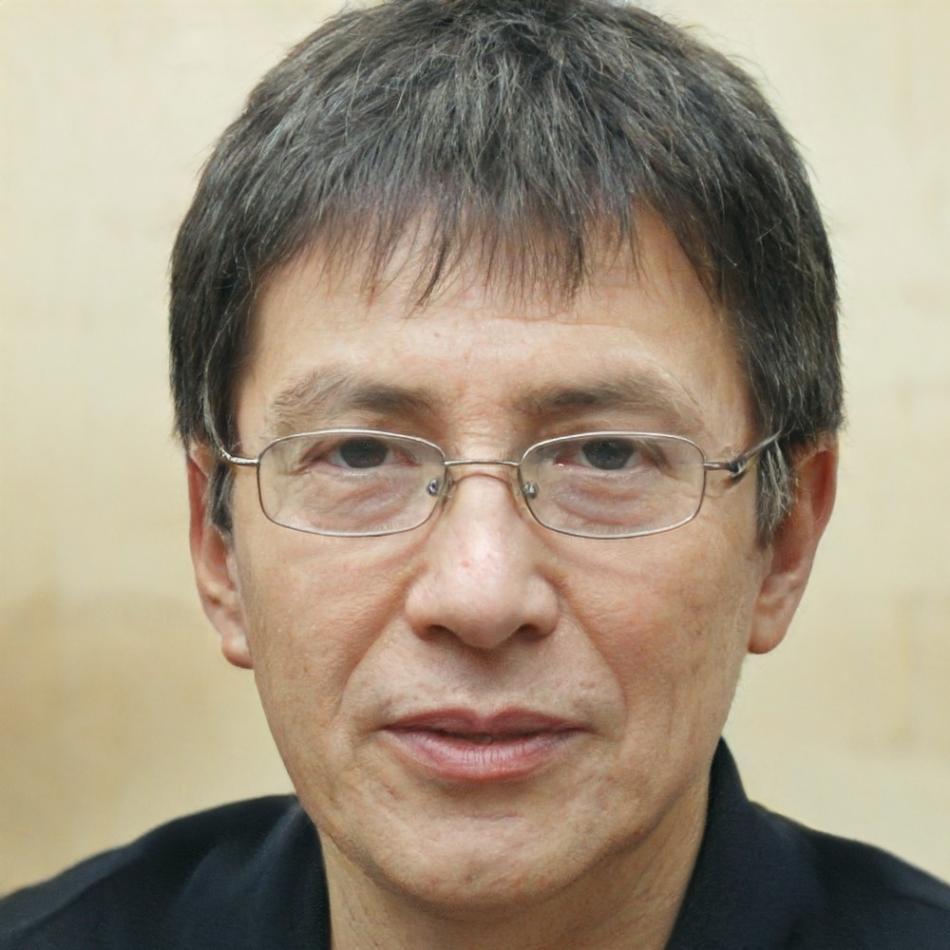
Oleksandr Vedmid
Coordinated over 300 multi-city tours across twelve years. Specialized in complex itineraries with multiple transport modes and tight connection windows. Now teaches timing analysis and contingency planning based on patterns observed across hundreds of operational scenarios.

Dmytro Lysenko
Managed relationships with accommodation providers, transport companies, and activity venues for regional tour operations. Developed documentation systems and communication protocols that reduced coordination errors and improved service consistency across vendor networks.
Equal access to coordination expertise
Geographic location shouldn't determine whether you can learn proper tour coordination methods. Online delivery means coordinators in any region access the same quality instruction, case materials, and peer discussions. We built this platform to remove the barrier between where you live and what you can learn.
Practical knowledge based on real operational experience, not theoretical frameworks that don't match field conditions
Transparent methods that explain why specific approaches work instead of presenting coordination as a set of arbitrary rules
Peer learning that connects coordinators across regions so they can share solutions and learn from each other's experiences